
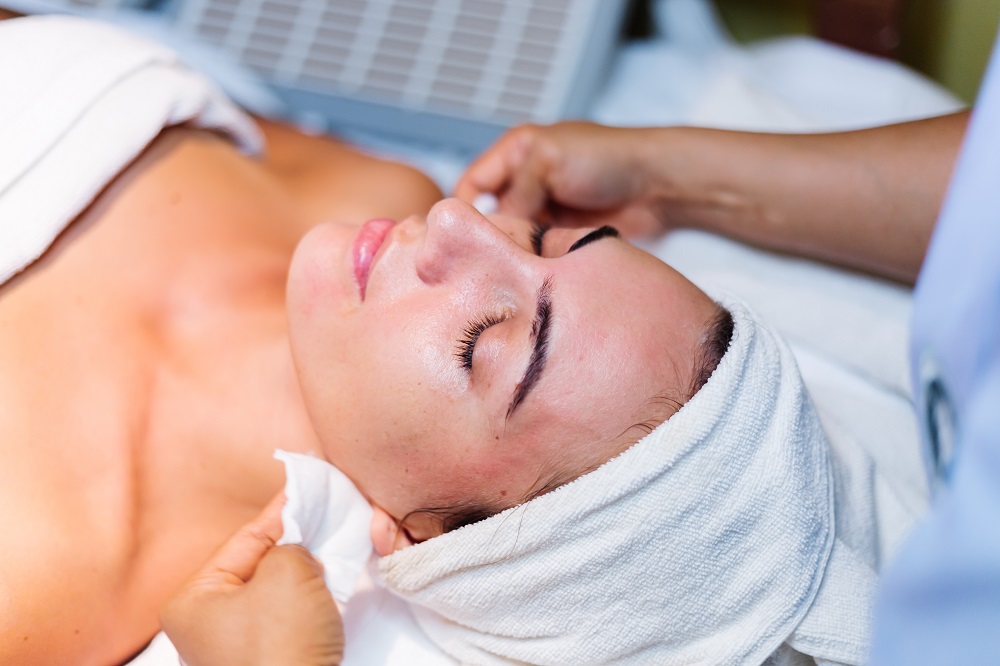
Tightness after washing. Stinging when a new product touches the skin. Redness that flares up for no obvious reason. Dry and sensitive skin can feel unpredictable, and that unpredictability often leads people to either over-treat their skin with heavier products or avoid treatment altogether out of fear of making things worse. Neither approach tends to help. Laser Skin Resurfacing may be one treatment option to consider when appropriate, but sensitive skin requires careful evaluation before any procedure.
It’s worth separating two things that often get lumped together: dryness and sensitivity. Dry skin lacks oil and water; it’s a texture and hydration issue. Sensitive skin is a reactivity issue, a lower threshold for irritation, whether or not the skin is actually dry. Plenty of people have both at once, but they don’t always overlap, and treating one without addressing the other is a common reason skincare routines stop working.
This guide covers what’s actually behind dry and sensitive skin, and what a dry sensitive skin medspa approach in Cumming, GA looks like when it’s done carefully, including when Laser Skin Resurfacing may or may not be appropriate.
What’s Happening With Dry and Sensitive Skin
At the center of both conditions is the skin barrier, the outermost layer that locks in moisture and keeps irritants, allergens, and bacteria out. When that barrier is compromised, water escapes more easily (leading to dryness), and irritants penetrate more easily (leading to sensitivity and reactivity). Barrier damage is often the actual root cause, even when the visible symptom looks like something else entirely.
Common triggers include:
- Over-exfoliation: Retinols, acids, and physical scrubs used too frequently or too aggressively
- Harsh or fragranced products, which are among the most common sensitivity triggers
- Hot showers and hot water washing, which strip natural oils faster than lukewarm water
- Dry indoor air, particularly during Georgia’s cooler months when heating systems reduce ambient humidity
- Underlying skin conditions like eczema, rosacea, or atopic dermatitis, which can present primarily as chronic dryness or sensitivity
That last point matters. Persistent sensitivity or dryness that doesn’t improve with gentler products is worth having evaluated, since it may be a diagnosable condition rather than simply “sensitive skin” in the general sense.
Sensitive skin is far more widespread than most people realize. Survey-based research puts self-reported sensitive skin at roughly 60-70% of women and 50-60% of men, meaning it’s closer to the norm than the exception.
On the dry-skin and barrier-condition side, atopic dermatitis (eczema) affects an estimated 7.6% of U.S. adults as of the most recent national survey data, and a 2025 clinical study found that chronic hand eczema alone affects nearly 1 in 10 Americans.
These figures matter for a practical reason: if dry, reactive, or easily irritated skin has felt like a lifelong struggle rather than something a new moisturizer will fix, that instinct is often correct. Chronic barrier-related skin conditions are common, persistent, and typically require ongoing management rather than a single solution.
The Products-First Mistake
A recurring pattern with dry and sensitive skin is reaching for more moisturizer, serums, soothing products layered on top of each other, without addressing why the barrier is compromised in the first place. Layering products onto damaged skin sometimes introduces new irritants rather than solving the underlying issue, and it can make it harder to identify which ingredient is actually causing a reaction when something goes wrong.
The more effective approach usually starts by simplifying: stripping the routine down to a gentle cleanser, a barrier-repairing moisturizer, and sunscreen, then reintroducing additional products one at a time, slowly, ideally under professional guidance.
MedSpa Treatment Options for Dry and Sensitive Skin
Treatment for this skin type prioritizes barrier repair before anything more advanced. Aggressive treatments, strong peels, and intense lasers are typically avoided until the skin has stabilized, since they can worsen sensitivity in the short term even if they’d be tolerated well by more resilient skin.
| Treatment | What It Does | Best For |
| Hydrating facials | Restores moisture, calms inflammation | Dry skin, mild sensitivity |
| Gentle enzyme peels | Removes dead skin without harsh acids | Sensitive skin needing exfoliation |
| HydroFacial-style treatments | Deep hydration with minimal irritation risk | Dehydrated or barrier-compromised skin |
| Radiofrequency treatments | Supports collagen without aggressive resurfacing | Thin, aging, or fragile skin |
| Barrier-focused skincare protocols | Rebuilds lipid barrier over time | Chronic dryness or reactivity |
Once the barrier stabilizes, which can take anywhere from a few weeks to a few months depending on how compromised it was to begin with, more advanced treatments can often be introduced gradually, always monitored closely for reaction.
It’s worth noting that “sensitive skin” isn’t a single fixed category. Someone can have naturally resilient skin that becomes temporarily reactive after an aggressive retinol regimen, versus someone with a lifelong pattern of reactivity tied to a diagnosed condition like rosacea or eczema.
The treatment approach differs meaningfully between these two scenarios: temporary sensitivity often resolves faster with barrier support alone, while chronic reactivity usually benefits from an ongoing, longer-term management plan built around trigger avoidance and ongoing professional care.
Sensitive Skin Facial Options
Not every “gentle” facial marketed for sensitive skin is actually formulated for reactive skin. A genuinely sensitive-skin-appropriate treatment avoids fragrance, uses minimal or no extraction pressure, and skips high-percentage acids in favor of calming, barrier-supporting ingredients.
For clients dealing with rosacea-adjacent sensitivity or chronic redness alongside dryness, treatment plans often blend a gentle facial approach with more targeted vascular or anti-inflammatory treatments, since the two concerns frequently show up together.
Windermere MedSpa’s Approach to Dry and Sensitive Skin
Windermere MedSpa in Cumming builds treatment plans for dry and sensitive skin around a slower, barrier-first philosophy rather than pushing clients toward the most intensive service on the menu.
We offer HydroFacial treatments designed around deep hydration with minimal irritation, along with Radio Frequency treatments that support collagen and firmness without the more aggressive resurfacing that can flare reactive skin. For clients who prefer to ease into professional treatment, a custom facial is often the starting point, with the esthetician adjusting technique and product selection in real time based on how the skin responds during the session.
Windermere MedSpa also offers video visit availability, which some sensitive-skin clients use for quick follow-up check-ins after a new treatment, useful for catching a reaction early rather than waiting until the next in-person appointment.
Daily Habits That Support Barrier Repair
In-office treatment works best paired with daily habits that protect rather than undermine the skin barrier:
- Use lukewarm water, not hot, for washing the face and showering
- Choose fragrance-free, minimal-ingredient products; fewer ingredients means fewer potential triggers
- Apply moisturizer to slightly damp skin to help lock in hydration more effectively
- Introduce new products one at a time, waiting at least a week before adding another
- Use a humidifier indoors during dry winter months, particularly in bedrooms where dry air overnight can worsen barrier damage
What to Expect at a First Visit for Dry or Sensitive Skin
A first visit for dry or sensitive skin should feel notably different from a standard facial consultation. Beyond looking at the skin’s surface, a thorough provider will ask about product history, known allergies or sensitivities, any diagnosed skin conditions like eczema or rosacea, and whether symptoms fluctuate with season, stress, or diet.
This history matters because sensitive skin often has a specific trigger pattern, and identifying it shortens the path to an effective routine considerably.
Patch testing is common practice before introducing any new treatment to sensitive skin. A small area is treated first, and the provider waits to see how it responds before applying anything to the full face. This step sometimes feels slower than clients expect, but it’s a meaningful safeguard against a reaction that could otherwise affect the entire face at once.
It’s also reasonable to expect a more conservative first treatment than what someone with resilient skin might receive. A gentle hydrating facial or a mild enzyme treatment is a common starting point, with intensity increased gradually across future visits based on how the skin tolerates each step.
Why Rushing Sensitive Skin Treatment Backfires
There’s a strong temptation, especially after years of frustration with reactive skin, to want an aggressive fix right away. But sensitive skin treated too aggressively tends to respond with more redness, more irritation, and sometimes a setback that takes weeks to calm down, the opposite of the intended result. This is one of the clearest cases where patience genuinely produces better outcomes than intensity.
A barrier that’s been compromised for months or years doesn’t rebuild in a single appointment. Realistic timelines matter here: noticeable improvement in comfort and resilience often takes four to eight weeks of consistent, gentle care, with more visible textural changes following after the barrier has had time to stabilize.
Sensitive Skin and the Products You’re Already Using
Part of managing sensitive skin at home involves auditing what’s already in a daily routine, not just adding new products. Fragranced lotions, certain sunscreen formulations, alcohol-based toners, and even some natural ingredients like essential oils are common, and frequently overlooked, triggers.
A professional consultation often includes a review of current products, since eliminating a hidden irritant sometimes resolves a persistent issue faster than any in-office treatment could on its own.
This is also where working with an experienced esthetician pays off: they’ve seen enough reactive skin cases to recognize patterns that aren’t always obvious to someone evaluating their own skin day to day.
Final Thoughts
Dry and sensitive skin responds best to patience and a barrier-first approach, not an ever-growing product shelf or intensive treatments introduced too quickly. Understanding whether dryness, sensitivity, or both are driving the discomfort is the first step toward a plan that actually holds up, and a professional assessment tends to get there faster than months of trial and error at home.
Georgia’s climate adds its own layer to this. Humid summers can mask some barrier issues, since higher ambient moisture can temporarily offset a compromised barrier’s tendency to lose water. Cooler, drier months tend to expose the problem more clearly, which is why many sensitive-skin clients notice their symptoms worsening in late fall and winter even without changing their routine.
Building a seasonal adjustment into a skincare plan, richer products and a humidifier in winter, lighter formulations in summer, tends to produce more consistent comfort year-round than a single fixed routine.
For anyone in Cumming exploring dry skin treatment Georgia options or looking for a genuinely gentle, well-matched approach to reactive skin, starting with a barrier-focused evaluation makes every treatment decision that follows more likely to succeed.
FAQs
Q1. What med spa treatments are safe for sensitive skin in Cumming, GA?
Ans: Hydrating facials, gentle enzyme peels, and barrier-focused protocols are generally safest; aggressive peels and lasers are avoided until skin stabilizes.
Q2. What’s the difference between dry skin and sensitive skin?
Ans: Dry skin lacks oil and water; sensitive skin reacts easily to irritants. They often overlap but aren’t the same condition.
Q3. Can dry skin become sensitive over time?
Ans: Yes. Prolonged barrier damage from dryness often increases reactivity, since a weakened barrier lets irritants penetrate more easily.
Q4. How long does it take to repair a damaged skin barrier?
Ans: Typically a few weeks to a few months, depending on severity, with simplified skincare and professional barrier-focused treatments.
Q5. Should sensitive skin avoid exfoliation entirely?
Ans: Not necessarily. Gentle enzyme-based exfoliation is often tolerated well, while strong acids and physical scrubs are usually avoided.