
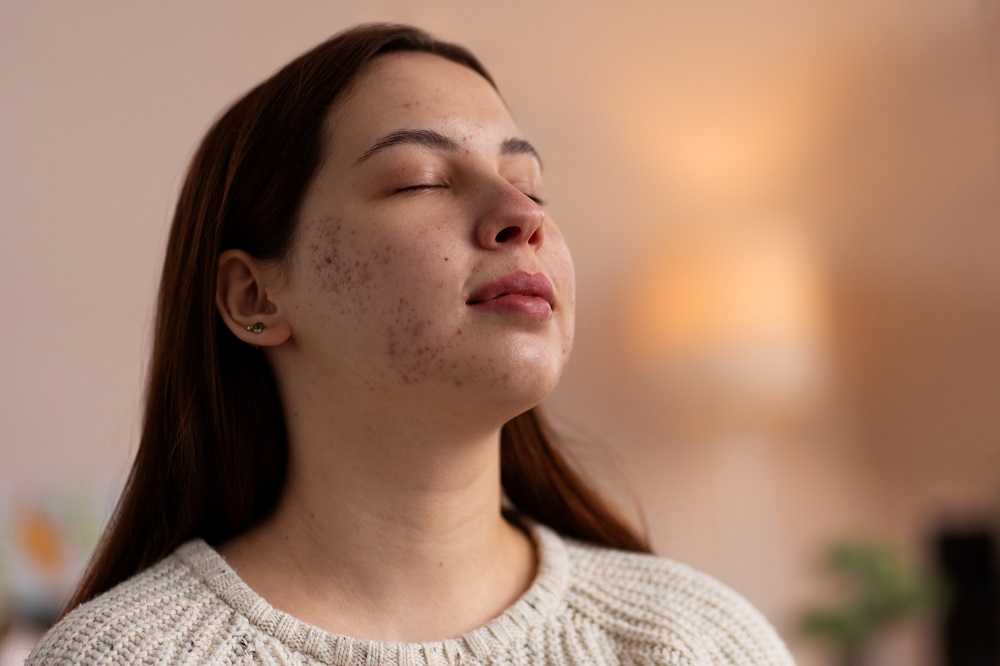
Good lighting is supposed to make photos look better. But if you have deep acne scars, good lighting does the opposite. It catches every edge, every shadow, every dip in the skin that you have learned to angle away from in selfies.
Foundation helps a little. Filters help a little more. But neither one actually does anything to the skin underneath.
That is what brings most people to ask about deep acne scar treatment in Cumming, GA. Not just something to cover scars up, but something that actually changes them. And right now, the two most effective non-surgical options for deep acne scars are fractional laser resurfacing and RF microneedling. Both are available at Windermere Med Spa in Cumming, GA.
This guide breaks down how each works, what kind of scars they target best, how many sessions to expect, and how the two can be combined for more complex or deeper scarring.
Why Deep Acne Scars Are So Stubborn
Acne scars are not just surface marks. When a deep or inflamed breakout damages the lower layers of skin, the healing process sometimes goes sideways. The body either makes too little collagen, leaving a depression in the skin, or too much, creating a raised bump.
The result depends on the type of scar:
- Rolling scars: Broad, wavy dips in the skin. Give skin a bumpy or uneven texture.
- Boxcar scars: Wider, flat-bottomed depressions with sharper, more defined edges.
- Ice pick scars: Narrow, deep holes that look like the skin was punctured. These are the hardest to treat.
- Hypertrophic scars: Raised, thickened scars where too much collagen built up.
Knowing your scar type matters because it shapes which treatment will work better for you. Creams, light peels, and basic facials cannot reach the depth where these scars actually live. To improve deep acne scars, you need treatments that go into the dermis and restart collagen production there.
That is exactly what fractional laser and RF microneedling do, in different but complementary ways.
Fractional Laser for Deep Acne Scars
How It Works
Fractional laser creates controlled columns of heat energy in the skin, targeting scar tissue at a specific depth while leaving the surrounding tissue intact. That intact skin speeds up healing and recovery.
The heat breaks down old, disorganized scar tissue and triggers the body to produce fresh collagen in its place. Over time, scar edges soften, depressions become shallower, and the overall texture of the skin evens out.
At Windermere Med Spa, the fractional laser used is multi-depth, meaning it can target different levels of the skin in a single session. This is especially useful for deeper scar types where one fixed depth would not reach the full extent of the damage.
What Scars Respond Best to Fractional Laser
- Ice pick scars: The focused, deep energy column can reach into narrow, sharp-edged scars that RF alone may not address as well.
- Boxcar scars: Defined edges respond well to surface-level resurfacing and deeper collagen stimulation.
- Hypertrophic or raised scars: Laser energy can help flatten raised tissue over a series of sessions.
What a Session Looks Like
Your provider will apply topical numbing before treatment. Once the skin is ready, the laser handpiece passes over the treatment area in sections, delivering precise pulses of energy. You will feel warmth and some prickling. Most patients find it very manageable with the numbing.
Sessions for the face usually take 30 to 60 minutes. The exact time depends on how many areas are being treated.
Downtime After Fractional Laser
This is the more involved recovery of the two treatments. Expect:
- Noticeable redness and swelling for the first 2 to 4 days
- Skin may feel tight, rough, or like a moderate sunburn
- Peeling and flaking as treated skin sheds, usually starting around day 3 to 5
- Most people feel comfortable returning to normal activities within 5 to 7 days
Sun protection right after treatment is not optional. It is critical. Treated skin is more vulnerable to pigmentation changes if exposed to UV without proper coverage.
How Many Fractional Laser Sessions for Acne Scars?
- Mild scarring: around 3 to 4 sessions
- Moderate scarring: 4 to 6 sessions
- Deep or severe scarring: 6 or more, often combined with RF microneedling
- Sessions are typically spaced 4 to 6 weeks apart to allow proper healing between visits
RF Microneedling for Deep Acne Scars
How It Works
RF microneedling combines two actions at once. Tiny needles create micro-channels in the skin, and at the same time, radiofrequency energy is delivered directly through those needles into the deeper layers of the dermis.
The physical puncture triggers the skin’s healing response. The RF energy adds heat deeper below the surface, which boosts collagen and elastin production in a more targeted, controlled way. Because the energy is delivered beneath the skin rather than through the surface, it is gentler on the outer skin layer. This makes it a stronger option for people with medium to darker skin tones where surface heat from laser carries a higher risk of pigmentation changes.
At Windermere Med Spa, the Genius RF microneedling system is used. It delivers real-time feedback on tissue resistance, meaning settings adapt as the device moves across different areas of the face, making the treatment more precise.
What Scars Respond Best to RF Microneedling
- Rolling scars: The broad, widespread collagen stimulation from RF energy works well for the wavy, uneven texture these scars create.
- Boxcar scars: The combination of physical needling and RF heat gradually softens defined edges and raises the flat floor of the scar.
- Mixed texture scarring: When someone has a combination of scar types across the face, RF microneedling addresses a wide range in one session.
What a Session Looks Like
Topical numbing is applied first. Once the skin is ready, the RF microneedling handpiece is pressed against the skin in sections. Needles penetrate to the target depth and release RF energy in short pulses. You feel pressure and warmth. Most patients find it more comfortable than they expected with numbing.
Full-face sessions usually take 45 to 75 minutes.
Downtime After RF Microneedling
Recovery is generally shorter than fractional laser:
- Redness and mild swelling for 24 to 48 hours
- Small pinpoint marks at needle sites that settle within a couple of days
- Skin may feel slightly warm and sensitive for a day or two
- Most people return to daily activities within 2 to 3 days
Because the RF energy works below the surface, the top layer of skin is largely intact after treatment. That is a big reason why downtime is shorter and why this option works across a wider range of skin tones.
How Many RF Microneedling Sessions for Acne Scars?
- Mild scarring: 3 to 4 sessions
- Moderate scarring: 4 to 6 sessions
- Deep or complex scarring: 6 or more, often in a combined plan with fractional laser
- Sessions spaced 4 to 6 weeks apart
Laser vs RF Microneedling: A Direct Comparison
| Factor | Fractional Laser | RF Microneedling |
| How it works | Light energy targeting scar columns | Needles + RF energy below the surface |
| Best scar types | Ice pick, boxcar, hypertrophic | Rolling, boxcar, mixed texture |
| Downtime | 5 to 7 days | 2 to 3 days |
| Skin tone caution | More caution for darker tones | Safer across more skin tones |
| Depth of collagen impact | Moderate to deep | Deep, below the surface |
| Can it combine with the other? | Yes | Yes |
Neither treatment is universally better. The right choice depends on your scar type, skin tone, lifestyle, and how much downtime you can manage.
Can You Combine Both?
Yes. And for moderate to severe acne scarring, combining fractional laser and RF microneedling in a phased plan often delivers better results than using just one alone.
A common approach is to use fractional laser first to resurface texture and target deeper ice pick or boxcar scars, then follow up with RF microneedling sessions to continue collagen remodeling and address broader rolling scar texture. Alternating between the two can also work well as the skin responds and improves at each stage.
At Windermere Med Spa, the team builds this kind of combined plan based on how your skin is responding, not a fixed formula applied to everyone.
Which Is Better for Darker Skin Tones?
RF microneedling is generally the safer first choice for medium to darker skin tones. Because the energy stays below the skin surface, the risk of post-inflammatory hyperpigmentation is lower than with laser, which delivers heat through the outer layers.
Fractional laser on darker skin tones is possible, but it requires a conservative approach, the right device settings, and a provider with direct experience treating varied skin tones. If you are unsure, your consultation at Windermere Med Spa will assess your tone and your history before anything is recommended.
What Results Can You Realistically Expect?
This is the part where honest conversation matters most.
Deep acne scars cannot be fully erased with any non-surgical treatment. What laser and RF microneedling can do is produce meaningful, visible improvement over a series of sessions. Many patients with moderate to severe scarring see a 40% to 70% improvement in texture, scar depth, and overall skin smoothness after completing their recommended series.
Timeline for Results
- After 2 to 3 sessions: you may start seeing smoother texture and some softening of scar edges
- Collagen remodeling continues for months after each session
- Full results from a complete series are often most visible 3 to 6 months after your last treatment
So even when your sessions are done, your skin is still improving. That is the nature of collagen remodeling.
What About Maintenance?
After finishing a full series, some people benefit from annual touch-up sessions to keep results going, especially if new scarring develops or if skin quality changes with age. Ongoing sun protection and medical-grade skincare between sessions protect the collagen you worked to build.
Are These Treatments Safe? Side Effects and Who Should Wait
Common Side Effects
Both treatments share some common temporary effects:
- Redness and swelling right after treatment
- Skin sensitivity and mild warmth for a day or two
- Possible temporary darkening in some skin types, usually manageable with proper protocols
Serious side effects are uncommon when treatments are done by trained providers using appropriate devices and settings.
Who Should Delay or Avoid Treatment
You may need to wait or adjust your plan if you:
- Have active acne breakouts in the treatment area
- Are pregnant or breastfeeding
- Are on certain medications that affect skin healing, including some prescribed for acne
- Have very recently tanned or have active sunburn
- Have certain skin conditions that need to be evaluated first
A consultation at Windermere Med Spa in Cumming, GA screens for all of these before any treatment begins. If something makes a treatment less safe for you right now, your provider will say so and suggest the right time or alternative to move forward.
Why Device Quality and Provider Skill Make a Real Difference
Both fractional laser and RF microneedling can produce very different results depending on the device used and the person operating it. Medical-grade equipment in a qualified med spa setting is not the same as a consumer-grade device you might find at a discounted pop-up studio.
Depth settings, energy levels, and proper aftercare protocols all affect whether you see improvement or deal with complications. Working with an experienced provider who treats acne scars regularly makes a measurable difference in outcomes.
Acne Scar Treatment at Windermere Med Spa in Cumming, GA
If you live in Cumming, Forsyth County, Johns Creek, Alpharetta, or surrounding North Atlanta communities and your acne scars are affecting how you feel in your own skin, you do not have to guess your way through treatment options alone.
At Windermere Med Spa, the first step is a real consultation where your provider:
- Maps the types of scars you have (rolling, boxcar, ice pick, or mixed)
- Evaluates your skin tone and sensitivity
- Reviews your skin history and any medications
- Builds a realistic session plan with a clear timeline and cost estimate
From there, your plan may use fractional laser for acne scars, Genius RF microneedling, or a combination of both in phases, depending on what your scars need most.
The goal is not a perfect face. It is skin you stop hiding from in good lighting.
You can call the office or book a consultation online to get a clear picture of what is possible for your specific scars, your skin tone, and your timeline.
FAQs:
Q1. What is the best treatment for deep acne scars in Cumming, GA?
Ans: It depends on the type of scars you have. Fractional laser works well for ice pick and boxcar scars. RF microneedling is effective for rolling and mixed texture scars. Many patients benefit most from a phased plan that uses both. A consultation at Windermere Med Spa will help identify which approach fits your skin best.
Q2. Is laser or RF microneedling better for acne scars?
Ans: Neither is universally better. Laser targets deeper scar columns and works well for ice pick and defined scars. RF microneedling is safer for a wider range of skin tones and works well for rolling and broad texture scars. Combining both often gives the best results for moderate to severe scarring.
Q3. How many sessions do I need for deep acne scar treatment?
Ans: Mild scars typically need 3 to 4 sessions. Moderate scars need 4 to 6. Deep or complex scarring may need 6 or more, especially when combining treatments. Sessions are spaced 4 to 6 weeks apart.
Q4. How long does it take to see results from laser or RF microneedling for scars?
Ans: Some improvement may show after 2 to 3 sessions, but full results often take 3 to 6 months after completing your series because collagen remodeling continues long after each session.
Q5. Is acne scar treatment safe for darker skin tones?
Ans: RF microneedling is generally safer for darker skin tones because the energy stays below the skin surface. Fractional laser can be used on darker tones but requires careful settings and an experienced provider. Your consultation will include a full skin tone evaluation before any treatment is recommended.
Q6. Will deep acne scars go away completely?
Ans: Most deep acne scars improve, but full removal is not always realistic. The usual goal is smoother texture, softer scar edges, and more even-looking skin.
Q7. What has less downtime, laser or RF microneedling?
Ans: RF microneedling usually has less downtime, while laser can involve a longer recovery but may give stronger improvement in some cases.