
Disclaimer: This article is for general informational and educational purposes only and is not a substitute for professional medical or dermatological advice, diagnosis, or treatment. Everyone’s skin is different. Please consult a licensed dermatologist, esthetician, or physician before starting a new skincare product or active ingredient, and before pursuing any cosmetic treatment, particularly if you have sensitive skin, a diagnosed skin condition, or are pregnant or breastfeeding.
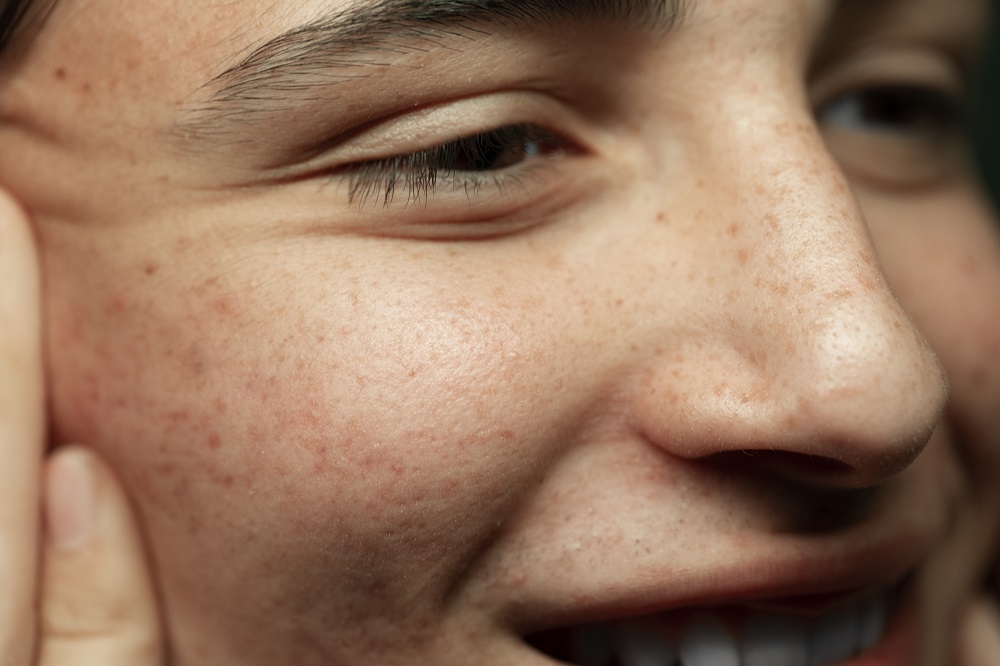
Let’s start with the truth most pore products won’t tell you: pores have no muscles, so they cannot open, close, or shrink. Cold water does not close them, steam does not open them, and no toner can make them permanently smaller. If you’re dealing with large pores, the goal is not to physically shrink them but to make them look less noticeable by addressing the three things that make pores prominent in the first place: clogging, excess oil, and the gradual loss of firmness in the skin around them.
This guide explains why large pores look the way they do, which ingredients have real evidence behind them, and which professional treatments target each cause when home care reaches its limit.
Why Do Pores Look So Big? The Three Real Causes
Pores are the openings around your hair follicles and oil glands, and they exist for a reason: they carry sebum, your skin’s natural oil, to the surface, where it keeps skin moisturized and protected. Everyone has them, and they are supposed to be there. What varies is how visible they are, and that comes down to three factors.
Genetics and Skin Type
Your baseline pore size is inherited. People with naturally oilier skin tend to have larger, more visible pores, because the oil glands beneath them are more active and the pore has to accommodate more sebum flow. If prominent pores run in your family, no product is going to change your genetic baseline, but the causes below can still be managed so that your pores sit at the smaller end of their natural range.
Clogging and Oil Stretching the Pore
When a pore fills with oil and dead skin cells, it physically expands to hold the plug, and an expanded pore is a more visible pore. Ongoing high oil production keeps the pore walls stretched even without a full blockage. This is the most fixable cause of the three, since dissolving the plugs and moderating oil lets the pore settle back toward its natural size. If the dots on your nose look dark rather than just large, it is worth reading about blackheads and sebaceous filaments, since dark pores and enlarged pores are related but different concerns with different fixes.
Age, Sun Damage, and Collagen Loss
Each pore is held in shape by the collagen and elastin in the skin around it. As both decline with age, the skin surrounding each pore loses firmness, and the opening appears to sag wider and become more noticeable. Sun exposure accelerates this collagen loss significantly, which is why sun protection appears later in this guide as a pore treatment, not just a health precaution. This cause explains why pores often seem to grow more visible in your thirties and forties even when your skincare routine has not changed.
Can You Actually Shrink Pores? An Honest Answer
No. Pore size is a fixed structural feature, and nothing sold over the counter or performed in any office permanently shrinks or closes pores. The tightening feeling from cold water or astringent toners is temporary irritation and swelling, not a change in pore size, and it fades within minutes. This is worth internalizing because it changes how you shop: any product promising to close or erase pores is overpromising by definition.
The realistic and genuinely achievable goal is making pores look smaller, by keeping them clear, reducing the oil that stretches them, and supporting the firmness of the skin around them. Done consistently, that combination can change how your skin looks in a way most people find entirely satisfying.
Ingredients That Make Pores Look Smaller
A small set of ingredients has actual evidence for pore appearance. Each targets a specific cause, so the right pick depends on which cause fits your skin.
Niacinamide: The Evidence-Backed Oil Regulator
If excess oil is stretching your pores, niacinamide is the ingredient with the strongest data behind it. A double-blind, placebo-controlled study of 100 subjects, with an additional randomized split-face arm, found that a 2 percent topical niacinamide moisturizer significantly reduced the skin’s sebum excretion rate over four weeks compared to placebo, and reduced pore size was reported alongside the oil reduction. The mechanism is straightforward: less oil flowing through the pore means less stretching of the pore walls. Concentrations of 2 to 5 percent are widely available over the counter, and niacinamide is generally well tolerated even by sensitive skin.
Salicylic Acid (BHA): The Pore Clearer
For pores expanded by clogs, salicylic acid does the unclogging. Because it is oil-soluble, it travels down into the pore and dissolves the mix of sebum and dead skin cells from the inside. Clinical research on salicylic acid published in the Journal of Cosmetic Dermatology confirmed it penetrates oil-filled follicles and breaks down the keratinized debris that forms plugs. A cleared pore is no longer being held open by its contents, which is often the fastest visible improvement on this list. Look for 0.5 to 2 percent in an over-the-counter cleanser or leave-on treatment, and build up frequency gradually.
Retinol: The Long-Game Firmness Ingredient
For pores made prominent by aging skin, the American Academy of Dermatology recommends a nightly product with retinol, particularly for people with oily skin, mild acne, or skin that has lost some of its firmness. Retinol supports collagen production and normalizes cell turnover, which addresses the structural cause the other ingredients cannot reach.
It’s a slow ingredient, expect two to three months before judging results, and it demands daily sunscreen since it increases sun sensitivity. Retinoids are generally avoided during pregnancy and breastfeeding.
Sunscreen: The Most Underrated Pore Product You Own
Daily broad-spectrum SPF 30 or higher is genuinely a pore treatment. UV exposure steadily breaks down the collagen and elastin that keep the skin around each pore firm, and that loss is exactly what makes pores look larger with age. Sunscreen cannot reverse damage already done, but it protects the firmness you still have, and it protects the results every other ingredient on this list is working toward.
Choose a non-comedogenic formula, and make the label-checking habit universal: every product that touches your face should say non-comedogenic, oil-free, or won’t clog pores.
Habits That Make Pores Look Bigger
- Scrubbing hard and using hot water: Aggressive scrubbing and hot water both irritate the skin, and irritated, inflamed skin makes pores look larger, the exact opposite of the intended effect. Warm water and gentle cleansing twice a day accomplish the actual goal.
- Picking and squeezing: Digging at pores irritates and can damage the surrounding skin, making the pore more prominent, and sometimes permanently so if scarring develops.
- Skipping moisturizer: Dehydrated skin often compensates by producing more oil, which feeds the stretching cycle. A lightweight, non-comedogenic moisturizer keeps oil production steadier.
- Sleeping in makeup: A full day of makeup, sunscreen, and oil left on overnight is a direct route to the clogs that expand pores. Cleansing before bed is non-negotiable for pore appearance.
Professional Treatments for Pore Appearance
When a consistent home routine has had six to eight weeks and pores still bother you, professional treatments can go further than over-the-counter products, and the right one depends on which cause is dominant for your skin. The American Academy of Dermatology itself points to in-office procedures for skin firmness and pore appearance, many with little to no downtime.
For clog-driven and oil-driven pores, a Hydrofacial combines deep cleansing, gentle chemical exfoliation, and professional extraction in a single session, essentially a professional-strength reset for congested pores. A Chemical Peel takes exfoliation deeper than any home product, clearing built-up dead skin cells that keep pores looking crowded and dull.
For firmness-driven pores, the collagen-loss cause, Genius Microneedling with RF stimulates new collagen production in the skin around the pores using microneedling combined with radiofrequency energy, addressing the structural cause that topical products reach only slowly. For overall tone and texture, a Laser Facial targets enlarged pores, uneven texture, and pigmentation together, and Microdermabrasion offers a gentler resurfacing option for smoother-looking skin with no downtime.
Treatment plans at Windermere MedSpa are developed under the guidance of Dr. Priya Bayyapureddy, MD, and a consultation starts by identifying which of the three causes is actually driving your pore concerns, so the treatment matches the problem rather than defaulting to a one-size-fits-all approach. Results vary from person to person, and no treatment permanently changes pore size, but matching the right treatment to the right cause is what makes the visible difference. Book a consultation to find out what fits your skin.
The Bottom Line
Large pores are not a flaw to erase, they are normal anatomy that can be managed. Nothing shrinks or closes pores permanently, and any product claiming otherwise is selling the wrong promise. What works is matching the fix to the cause: salicylic acid for clogs, niacinamide for oil, retinol and sunscreen for firmness, and professional treatments like Hydrofacials, peels, RF microneedling, and laser facials when home care reaches its ceiling.
Give any routine six to eight weeks of real consistency, and if your pores still bother you after that, a consultation can identify which cause deserves the professional-strength approach.
FAQs:
Q1. Can you get rid of enlarged pores?
Ans: You cannot remove or permanently shrink pores, since pore size is a structural feature of your skin. You can meaningfully reduce how noticeable they are by keeping them clear, controlling excess oil, and supporting the firmness of the surrounding skin through ingredients like niacinamide, salicylic acid, and retinol, or professional treatments matched to the cause.
Q2. Why are the pores on my nose so big?
Ans: The nose and T-zone have the highest density of oil glands on the face, so pores there work harder and appear larger. If the pores look dark as well as large, you may be seeing sebaceous filaments or blackheads rather than enlarged pores, our blackhead guide explains how to tell the difference.
Q3. Does cold water close your pores?
Ans: No. Pores have no muscles and cannot open or close. Cold water can cause a brief tightening sensation and mild temporary swelling that makes pores look slightly smaller for a few minutes, but nothing has actually changed. The same applies to steam supposedly opening pores; heat softens the debris inside them, which helps cleansing, but the pore itself never opens or closes.
Q4. How long until pore-minimizing products work?
Ans: Expect around four weeks for oil-reduction results from niacinamide, based on the published clinical data, a similar window for salicylic acid to clear existing clogs, and two to three months for retinol’s firmness benefits. Consistency matters far more than product-switching, most pore routines fail from impatience rather than the wrong ingredients.