
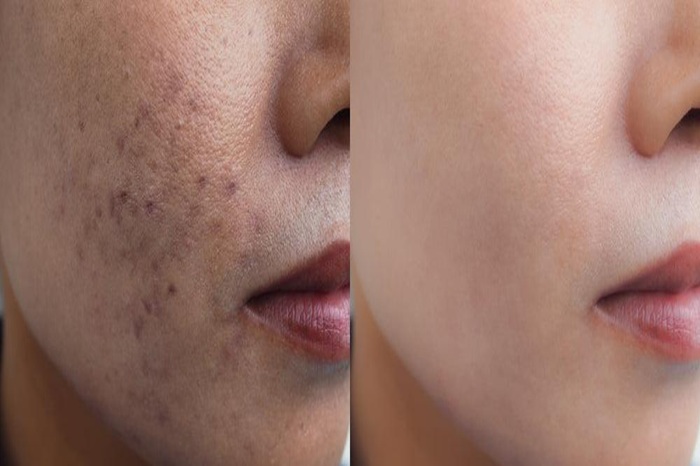
Dark spots on the skin, also known as hyperpigmentation, can be caused by a variety of factors including sun damage, acne scars, and aging. The rising demand for laser treatments to effectively remove these spots is notable due to their safety and advanced technology. It’s always advisable to undertake these treatments under the guidance of a dermatologist to ensure optimal results and safety.
What Causes Dark Spots (Hyperpigmentation)?
Dark spots are often the result of excessive melanin production. Causes include:
- UV Ray Exposure: Sun spots and age spots commonly develop when skin is overexposed to ultraviolet rays without protection.
- Acne: Post-inflammatory hyperpigmentation (PIH) can occur following acne outbreaks.
- Hormones: While not the focus, changes like melasma can contribute to dark spots.
- Skin Injuries & Inflammation: These can also lead to increased pigmentation.
How Laser Treatment Works for Dark Spots
Laser treatment involves using specific energies to break down excess melanin in the skin. The body naturally processes and eliminates these pigment particles, often leading to a clearer, more even skin tone. Importantly, this treatment targets darker pigments without affecting the surrounding healthy skin, helping rejuvenate the skin’s clarity.
Best Laser Technologies for Dark Spot Removal
Laser Type
Best for Dark Spots
Benefits
Q-Switched Laser
Sun spots, stubborn pigmentation
Fast pigment breakdown
Pico Laser
Deep melanin, acne marks
Quicker results, less downtime
Fractional Laser
Dark spots + scars + texture
Collagen remodeling
IPL Photofacial
Freckles, diffuse sun damage
Broad rejuvenation
Treatment Experience: What to Expect
During treatment, sessions last between 10 to 30 minutes, and patients often feel a slight warmth or snapping sensation. There’s minimal downtime, although the extent varies depending on the type of laser used. Many patients report seeing significant improvements after just 1 to 2 sessions. For more in-depth skincare solutions, check this guide.
Results: How Long Will It Take?
Visible fading of dark spots can typically be observed within 2 to 4 weeks. For optimal results, 2 to 6 treatments are recommended. Consistent sun protection is crucial to maintaining long-lasting results.
Post-Treatment Aftercare for Best Results
- Use SPF 50+ daily.
- Avoid tanning or heat exposure for 72 hours.
- Refrain from using active exfoliants until advised by your provider.
- Incorporate a hydrating and antioxidant-rich routine into your skincare regimen.
Who is the Right Candidate?
This treatment is suitable for:
- Sun spots
- Age spots
- Acne pigmentation
- Freckles
- Dull skin tone
Note: Individuals with deeper skin tones (Fitzpatrick IV-VI) require treatment by a pigmentation specialist.
Benefits of Laser for Dark Spots
The major benefits include fast, visible improvements, evening out of skin tone, collagen boosting, long-term skin clarity, and broad applicability across various skin types. Explore more about enhancing your skin’s appearance with specialized treatments.
Conclusion
Ready to erase stubborn dark spots? Book a consultation to find the most effective laser approach tailored to your skin type.
FAQ
Q1: Does laser remove dark spots permanently?
A: Yes — treated spots don’t return, but new spots can form without sun protection.
Q2: Is laser treatment painful?
A: Mild tingling or snapping feeling; numbing improves comfort.
Q3: How many laser sessions do I need?
A: 2–6 sessions depending on severity & skin response.
Q4: Is laser safe for darker skin tones?
A: Yes with experienced specialists using correct laser settings.
Q5: Which laser works best for acne dark spots?
A: Pico and Q-Switched lasers are highly effective for PIH.
Q6: Can I apply makeup after laser treatment?
A: Usually after 24 hours if skin isn’t irritated (provider guidance required).