
If you’re tired of shaving your legs every few days, dealing with razor burn, ingrown hairs, and the frustration of planning outfits around whether your legs are ‘shave-ready, you’re not alone. Many patients at Windermere Medspa tell us they feel stuck in a never-ending cycle.
This guide covers how leg laser hair removal works, the difference between full- and half-leg options, how many sessions you’ll need, what to expect in terms of comfort and aftercare, and how to decide what fits your goals and budget.
How Leg Laser Hair Removal Works?
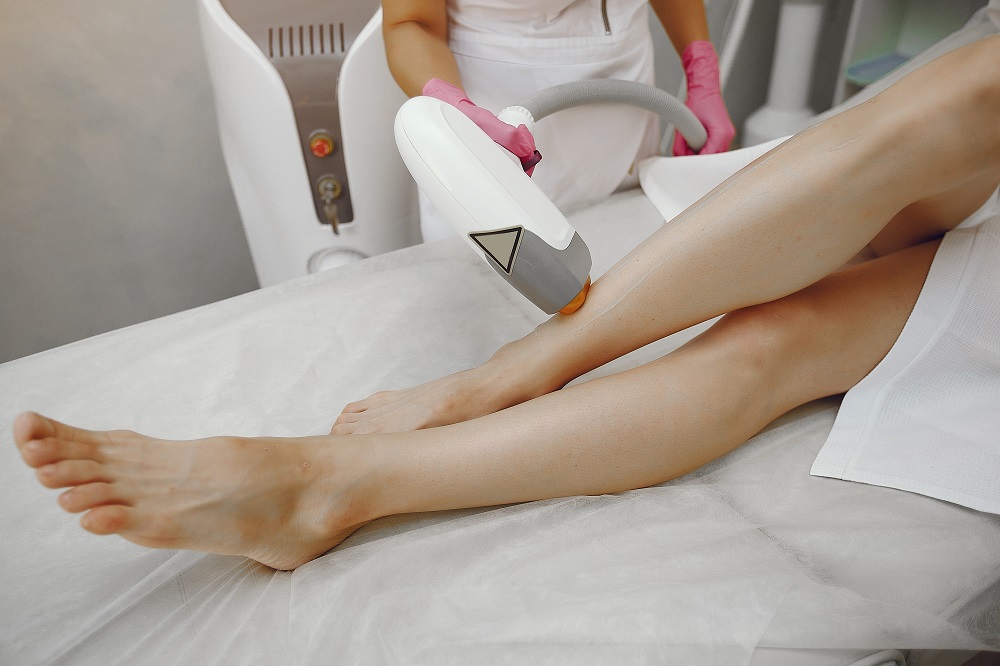
Leg laser hair removal uses focused light energy to target the pigment inside hair follicles. The laser heats and damages the follicle at the root, so over time, hair grows back finer, slower, and in much smaller amounts.
At Windermere Medspa, treatments are performed using the Clarity II medical-grade laser system under clinical supervision. Your provider adjusts settings based on your skin type and hair color so the energy focuses precisely on the hair while protecting the surrounding skin.
Because leg hair grows in cycles, a single session only catches follicles that are in the active growth phase at that moment. That’s why a series of sessions is necessary; each visit targets a new wave of active follicles, building on the previous results. Most patients notice a clear reduction after just a few sessions, with the most significant results occurring toward the end of the series.
The global laser hair removal market is projected to reach $1.88 billion in 2026, growing at a CAGR of 18-19%. Leg treatments are among the largest treatment-area categories by volume, driven by high demand among women and a steadily growing number of men.
Why Legs Are One of the Most Popular Treatment Areas?
There are a few clear reasons legs are consistently among the most requested areas we treat:
- Shaving covers a large surface area and takes significant time every few days
- Razor burn, cuts, and ingrown hairs on the shins are extremely common
- Georgia’s warm climate means shorts, dresses, and swimwear for much of the year
- Busy schedules make daily or every-other-day shaving hard to keep up with
- Pool days, outdoor events, and last-minute plans don’t always allow time for prep
Full Leg vs. Half Leg: What’s the Difference?
One of the first decisions to make is whether to treat full legs or half legs. Understanding what each option covers makes it easier to choose the one that fits your goals and budget.
What Is Full Leg Laser Hair Removal?
Full leg laser hair removal covers the entire leg from the upper thigh down to the ankle, including:
- Front and back of the thighs
- Knees
- Front and back of the lower legs
- Calves and shins
- Ankles
Patients who choose full legs usually want smooth skin from mid-thigh or higher all the way down. Full legs also make sense if you’re considering a full-body laser plan and want consistent results from top to bottom.
What Is Half Leg Laser Hair Removal?
Half leg laser hair removal focuses on the lower legs, the section most people shave most often:
- Knees down to the ankles
- Front and back of the lower legs
- Calves and shins
This works well if you normally wear clothing that covers your thighs but leaves your lower legs visible. It’s also a practical way to start with leg lasers at a lower per-session cost before deciding whether to add the thighs later.
Full vs. Half Legs: Which Should You Choose?
| Choose Half Legs If… | Choose Full Legs If… |
| You mostly worry about hair on your shins and calves | You want smooth skin from thigh to ankle |
| You usually wear clothes that cover your thighs | You frequently wear shorts, dresses, or swimsuits that show your entire leg |
| You want a budget-friendly way to start | You prefer to treat everything at once rather than in stages |
| You want to try the laser on a smaller area before committing fully | Your long-term goal is complete leg hair reduction |
Half-leg treatments cost less per session than full legs. Full legs take more time per visit and have higher per-session pricing, but they treat more hair and suit patients whose goal is complete, consistent leg smoothness. If you’re unsure, your provider can assess your hair pattern and help you decide before you commit.
How Many Sessions Do Leg Treatments Take?
Most patients need a series of sessions because not all hairs are active at the same time. Here’s a general guide:
| Leg Area | Typical Sessions | Session Spacing |
| Full legs | 6 to 8 | Every 4 to 6 weeks |
| Lower legs/half | 6 to 8 | Every 4 to 6 weeks |
| Thighs only | 6 to 8 | Every 4 to 6 weeks |
Many patients start to see thinner, patchier regrowth after the first few sessions, with more noticeable lasting reduction as they move through the full series. The exact number of sessions depends on:
- Your hair color and thickness, darker, coarser hair responds fastest
- Your skin type and how it responds to treatment
- How your hair cycles respond over the first few sessions
- Whether hormonal factors are influencing hair growth in certain areas
Maintenance and Long-Term Results
Laser hair removal is cleared for permanent laser hair reduction. not a guarantee that no hair will ever grow again. After a full series, most patients enjoy dramatically less hair and little to no shaving in treated areas.
Over time, some fine or scattered hairs may reappear, particularly if your hormones change. An occasional maintenance session can help keep your results steady. Your provider will discuss a long-term plan that fits your situation once your initial series is complete.
Does Leg Laser Hair Removal Hurt?
Most patients describe the sensation as a quick snapping or warm tingling on the skin. The experience varies by zone:
- Shins and ankles, closer to the bone, can feel more intense than softer areas
- Calves and thighs are generally more comfortable
- The first session is often the most noticeable; subsequent sessions get easier as hair thins
At Windermere Medspa, the Clarity II laser system includes a built-in cooling feature that helps keep each pulse more comfortable throughout. Our experts will also adjust settings based on your comfort level and skin type. Some patients take a mild pain reliever before their appointment. Talk to your provider about what’s appropriate for you.
How Long Does a Leg Session Take?
- Half legs (lower legs) take less time and have a smaller surface area to cover
- Full legs take longer; thighs, knees, and lower legs are all treated in one visit
Your provider will give you a specific time estimate at your consultation. Many patients schedule leg sessions with enough buffer to travel without rushing. Ready to fit smoother skin into your schedule? Book your personalized consultation today and learn how quickly laser hair removal can fit into your routine.
How Much Does Leg Laser Hair Removal Cost?
Legs are a large treatment area, so per-session pricing is higher than for small areas like the upper lip or underarms. At Windermere Medspa, pricing for full legs and half legs is fully published on the clinic’s pricing page, with separate listings for each area.
Most patients choose a package rather than single sessions because laser hair removal works best as a complete series. Package options include single sessions and packages of 3, 5, and 7 sessions, with larger packages offering greater percentage savings. Since leg treatments typically require 6 to 8 sessions, a package of 5 or 7 sessions usually provides the best overall value.
How to Prepare Your Legs for Laser Hair Removal
Before Your Session
- Shave your legs 24 to 48 hours before treatment. The laser targets the hair root under the skin, not hair above the surface. Shaving allows laser energy to reach the follicle while reducing the risk of surface irritation.
- Avoid sun exposure and tanning. Keep your legs out of direct sun and avoid tanning beds or self-tanners for at least 2 weeks before each session. Tanned skin is more sensitive and can raise the risk of side effects.
- Skip waxing, sugaring, epilating, or threading for at least four weeks before starting, and throughout your series. These remove the hair root that the laser needs to target.
- Be gentle with active skincare. Avoid strong exfoliants or harsh scrubs for a few days before your session.
- Tell your provider about your health and medications. Some medicines increase skin sensitivity to light.
- Wear loose, comfortable clothing to your appointment. Soft fabrics reduce friction on treated skin after your session.
Aftercare for Leg Laser Hair Removal in Georgia’s Sun
Your legs may feel slightly warm or look mildly red after treatment, similar to a light sunburn. This usually settles within a few hours. In Georgia’s sunny climate, caring for your skin between sessions is especially important.
What to Do After Treatment
- Soothe the skin with a gentle, fragrance-free moisturizer or cooling gel
- Apply broad-spectrum SPF 50+ to treated areas if they’ll be exposed to the sun, even on cloudy days
- Wear loose, breathable clothing for the first day or two to avoid friction
- Stay well hydrated to support skin recovery
What to Avoid After Treatment
- Direct sun and tanning on the treated area for at least two weeks after each session
- Hot tubs, saunas, and very hot showers for 24 to 48 hours, heat worsens redness and irritation
- Lake Lanier, pools, and open water for 48 hours, chlorine and bacteria can irritate newly treated follicles
- Intense exercise immediately after, heavy sweat, and friction on the legs can cause discomfort
- Waxing, sugaring, or epilating between sessions
If you notice unusual pain, blistering, or changes in skin color after treatment, contact a medical professional to evaluate your skin.
Leg Laser Hair Removal for Women and Men
Women: Smoother Legs with Less Daily Maintenance
- Feeling stubble within hours or a day of shaving
- Red bumps and razor burn on the shins after every shave
- Ingrown hairs that are painful or leave lasting marks
- Wanting to feel ready for last-minute plans without scheduling around a shaving routine
Leg treatments are often combined with underarms or bikini as part of a broader lower-body plan.
Men: Comfort, Performance, and Grooming
- Runners and cyclists who want less friction and chafing during training
- Men who dislike the feel of thick hair on their legs
- Those dealing with recurring ingrown hairs or irritation after shaving
Your provider tailors laser settings to your hair density and skin type so treatments are safe and effective regardless of gender.
Why Choose Windermere Medspa for Leg Laser Hair Removal in Cumming, GA?
When it comes to achieving effortlessly smooth, beautiful legs, you deserve more than a standard laser treatment. At Windermere MedSpa, we combine advanced laser technology, medical expertise, and personalized care to deliver results that help you feel confident in every season.
Advanced Technology for Exceptional Results
The Clarity II medical-grade laser system is used. Designed for precision hair reduction with settings adjusted for different skin types and leg areas.
Personalized Treatment Plans
No two clients are alike. We customize every treatment based on your skin tone, hair type, and aesthetic goals, ensuring a laser hair removal experience tailored specifically to you.
Medical Oversight You Can Trust
Under the guidance of decades of experienced medical professionals, our treatments prioritize both safety and results. You’ll receive expert care every step of the way, from consultation to aftercare.
A Luxury MedSpa Experience
Enjoy a welcoming, spa-like environment where comfort meets innovation. We believe aesthetic treatments should feel just as rewarding as the results they deliver.
Freedom from Shaving and Waxing
Imagine stepping into shorts, dresses, or swimwear without worrying about stubble, razor burn, or last-minute appointments. Our laser hair reduction treatments help simplify your beauty routine while enhancing your confidence.
Conveniently Located in Cumming, GA
Serving clients throughout North Georgia, Windermere MedSpa offers premium aesthetic care close to home, making it easier than ever to invest in smoother, more radiant skin.
FAQs
Q1. How many sessions do I need for laser hair removal on my legs?
Ans: Most patients need between 6 and 8 sessions for the legs. Sessions are spaced about 4 to 6 weeks apart so the laser can target hair in different growth phases over time.
Q2. What is the difference between full leg and half leg laser hair removal?
Ans: Full leg laser hair removal treats the entire leg from the upper thigh to the ankle, including thighs, knees, and lower legs. Half leg refers to the lower legs from the knees down to the ankles, focusing on the area most people shave most often.
Q3. Is laser hair removal painful?
Ans: Most people feel a quick snap or a warm sensation during leg treatments, with bony areas like the shins and ankles feeling more intense than the calves or thighs. The Clarity II’s built-in cooling feature and adjusted settings help make the process tolerable for most patients.
Q4. Can I get leg laser hair removal in the summer?
Ans: Yes, many patients in Cumming start or continue leg laser hair removal in the summer. You’ll need to avoid tanning, protect treated areas from direct sun, and apply SPF 50+ sunscreen daily to lower the risk of side effects.
Q5. How long does each leg laser hair removal session take?
Ans: Most leg laser hair removal sessions take 30 to 60 minutes, depending on whether you’re treating the lower, upper, or full legs. Treatment times may vary based on the size of the area and your individual hair growth patterns.
Q6. How much does leg laser hair removal cost?
Ans: In Georgia, laser hair removal typically ranges from $150 to $400 per session for lower legs and $300 to $800 per session for full legs. The total cost depends on the treatment area, hair density, skin type, and the number of sessions needed to achieve your desired results.
Q7. Can men get leg laser hair removal at Windermere Medspa?
Ans: Yes, leg laser hair removal is available for both men and women. Some men choose leg treatments for comfort, athletic performance, or personal grooming preference.
Q8. Is leg laser hair removal permanent?
Ans: Leg laser hair removal provides long-term hair reduction rather than a guarantee that every hair will be gone forever. Most patients see a significant and lasting drop in leg hair growth after completing their series.