
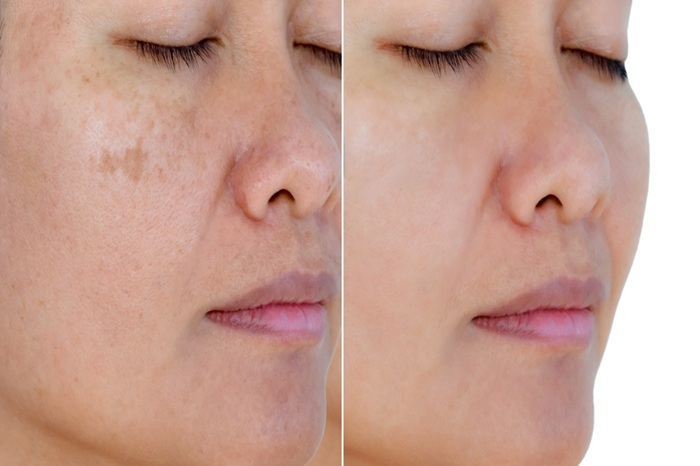
Dark spots can make skin look tired, uneven and older than it feels. Whether they come from years of sun exposure, old breakouts or hormonal changes, they are among the most common skin concerns, and one of the most treatable.
Laser treatment for sun spots is a precise, well-established way to fade stubborn pigmentation and reveal a clearer, more even complexion. This guide explains what causes dark spots, how lasers work, which technologies are used, what to expect, and how to keep your results.
What Causes Dark Spots (Hyperpigmentation)?
Dark spots form when the skin produces too much melanin, the pigment that gives skin its color. Melanin can clump in certain areas, creating visible patches. Common triggers include:
- UV exposure: Sun spots (also called age spots or solar lentigines) develop after years of unprotected sun exposure. They usually show up on the face, chest, shoulders and hands.
- Acne and inflammation: Post-inflammatory hyperpigmentation (PIH) can linger long after a breakout or skin injury has healed.
- Hormonal changes: Conditions like melasma can create larger, patchy areas of darkening.
- Skin injuries: Cuts, burns, irritation and aggressive treatments can all leave dark marks behind.
- Aging: Skin renews itself more slowly over time, so pigment tends to linger.
Knowing the cause matters because it shapes the treatment plan. Sun spots, PIH and melasma do not always respond to the same approach, which is why a proper skin assessment comes first.
How Laser Treatment Removes Dark Spots
Pigment-targeting lasers deliver focused light energy that is absorbed by excess melanin. That energy breaks the pigment into tiny particles, and your body’s natural processes gradually clear them away.
Because the laser targets pigment specifically, the surrounding healthy skin is largely left undisturbed. Treated spots may darken slightly or flake in the days after treatment, then fade as your skin renews itself, leaving a brighter, more uniform tone.
Best Lasers for Dark Spot Removal
Different lasers suit different concerns. Here is a quick comparison:
| Laser Type | Best For | Key Benefits |
|---|---|---|
| Q-Switched Laser | Sun spots, stubborn pigmentation | Fast pigment breakdown |
| Pico Laser | Deep melanin, acne marks | Quicker results, less downtime |
| Fractional Laser | Dark spots plus scars and texture | Collagen remodeling |
| IPL Photofacial | Freckles, diffuse sun damage | Broad skin rejuvenation |
Q-Switched lasers deliver short, powerful pulses that shatter pigment effectively, making them a go-to for well-defined sun spots. Pico lasers work in even shorter bursts, which can mean faster clearing and gentler recovery, especially for acne marks. Fractional lasers treat pigmentation while stimulating collagen, so they suit people who also want smoother texture. IPL photofacials use broad-spectrum light to treat freckles and widespread sun damage across a larger area.
Curious about our options? Explore our Laser C Toning for sun damage and pigmented lesion treatments.
Who Is a Good Candidate?
Laser dark spot removal works well for people with:
- Sun spots and age spots
- Acne-related pigmentation
- Freckles
- Dull, uneven skin tone
- Early sun damage on the face, neck, chest or hands
Important note for deeper skin tones: People with Fitzpatrick skin types IV to VI can be treated successfully, but they carry a higher risk of side effects such as discoloration if the wrong laser or settings are used. Treatment should always be performed by an experienced provider who is skilled in pigment care and can tailor the settings to your skin.
Some people should wait or avoid laser treatment, including those with active infections, recent heavy tanning, or certain medications or medical conditions. Any suspicious or changing spot should be examined by a medical professional before treatment, since some dark lesions need evaluation rather than removal.
What to Expect During Treatment
Consultation: Your provider examines your skin, discusses your goals and medical history, and recommends the right laser and number of sessions.
Treatment day: Sessions typically take 10 to 30 minutes, depending on the size of the area. Most people feel a slight warmth or a light snapping sensation, similar to a rubber band flicking the skin. Numbing cream can make the experience more comfortable.
Right after: Mild redness is common. Treated spots can look darker or develop a fine crust for several days before flaking away naturally. Downtime is generally minimal, though it varies by laser type and intensity.
How Long Until You See Results?
Fading is usually visible within 2 to 4 weeks as treated pigment clears. Some patients see meaningful improvement after 1 to 2 sessions, but stubborn or deeper pigmentation often needs more. Most treatment plans include 2 to 6 sessions, depending on:
- The type and depth of pigmentation
- Your skin tone and how your skin responds
- The laser technology used
- How well you follow sun protection and aftercare
Aftercare Tips for the Best Results
What you do after treatment has a big effect on how well your skin heals and how long results last.
- Wear SPF 50+ daily and reapply when outdoors
- Avoid tanning and heat exposure (saunas, hot yoga) for at least 72 hours
- Skip exfoliants and strong actives until your provider says it’s safe
- Do not pick or scrub flaking or crusting areas
- Moisturize with a gentle, hydrating product
- Add antioxidants, such as vitamin C, to support skin health once cleared
Benefits of Laser for Dark Spots
- Visible results: Many patients notice fading within weeks
- Precision: Targets pigment while sparing surrounding skin
- Even skin tone: Softens patchiness and dullness
- Collagen support: Some lasers also improve texture and firmness
- Minimal downtime: Most people return to daily life quickly
- Versatile: Effective for sun spots, age spots, freckles and acne marks
Are Results Permanent?
Treated sun spots usually do not return in the same spot, but new spots can form if your skin keeps getting unprotected sun exposure. Daily sunscreen, protective clothing and occasional maintenance treatments are the best way to keep your skin clear. Think of laser as the reset, and sun protection as the way to make it last.
Alternatives and Complements to Laser
Depending on your skin and goals, your provider may combine laser with other treatments, such as chemical peels or laser skin resurfacing, and a medical-grade home routine to boost and maintain results.
Final Thoughts
Laser treatment is one of the most reliable ways to fade sun spots, age spots and acne marks, with precise results and little downtime. The key is choosing the right laser for your skin, working with an experienced provider, and protecting your results with daily sunscreen.
Ready to say goodbye to stubborn dark spots? Book a free consultation at Windermere Medspa in Cumming, GA, and we will recommend the best laser approach for your skin type and goals.
FAQs
Q1. Does laser remove dark spots permanently?
Treated spots typically fade and do not return in the same way, but new spots can develop without consistent sun protection.
Q2. Is laser treatment painful?
Most people feel mild tingling or a light snapping sensation. Numbing cream can improve comfort.
Q3. How many laser sessions will I need?
Most patients need 2 to 6 sessions, depending on severity and how their skin responds.
Q4. Is laser safe for darker skin tones?
Yes, when performed by an experienced provider using the correct laser and settings. Provider expertise matters most here.
Q5. Which laser works best for acne dark spots?
Pico and Q-Switched lasers are both commonly used and highly effective for post-inflammatory hyperpigmentation.
Q6. Can I wear makeup after treatment?
Usually after about 24 hours if your skin is not irritated. Follow your provider’s guidance.