
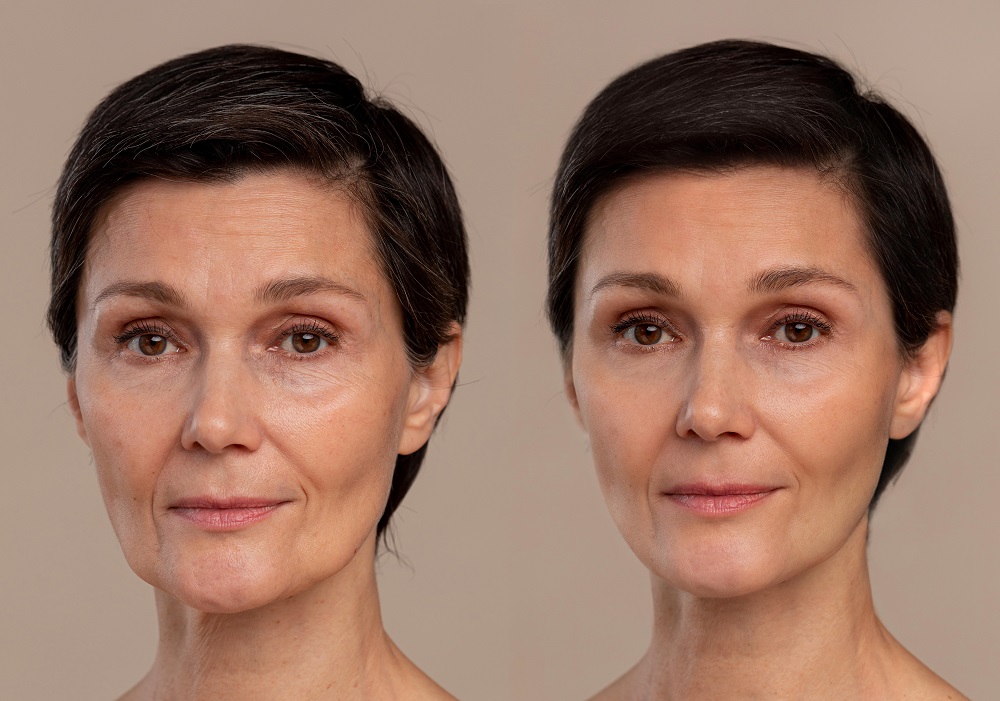
A neuromodulator, RF microneedling series, or laser session can only do so much on its own. What happens in the weeks after and in the daily skincare routine that follows, in Cumming, GA, or anywhere else, has a real, measurable effect on how long those results actually hold. Skipping this part is one of the more common reasons people feel like a treatment “didn’t work as well” when the treatment itself was fine; the aftercare simply wasn’t built to support it.
This article covers what to do immediately after anti-aging treatments, how to build a daily routine that protects results rather than undoing them, and the mistakes that quietly shorten a treatment’s lifespan.
Why Aftercare Matters as Much as the Treatment Itself
Every non-surgical anti aging treatment works by triggering a biological response, such as muscle relaxation, collagen production, and cell turnover. That response doesn’t stop the moment you leave the appointment. Collagen remodeling from RF microneedling, for example, continues for months, and what your skin is exposed to during that window meaningfully affects the outcome.
Sun exposure is the clearest example. Unprotected UV exposure breaks down collagen at a rate that can directly compete with what a treatment is trying to build, which is why dermatology research consistently ranks daily SPF as the single highest-impact habit for preserving any collagen-focused treatment’s results, often cited as more influential than the treatment itself over a multi-year timeline.
The same logic applies, to a lesser degree, to nearly every other habit covered in this article. A treatment creates a window of opportunity: new collagen forms, muscle activity is temporarily reduced, surface cell turnover accelerates, and what happens during that window either compounds the benefit or works against it.
This is also why two patients receiving an identical treatment from the same provider can end up with noticeably different results six months later: the treatment was the same, but what happened afterward wasn’t.
The First 48 Hours: What to Do (and Avoid)
Immediate aftercare varies by treatment type, and using the wrong approach for a given treatment can undo progress before it even starts.
| Treatment | Do This | Avoid This |
| Neuromodulator (Botox/Dysport) | Stay upright for a few hours; gentle movement of the treated muscles | Rubbing or massaging the area, or intense exercise, the same day |
| Dermal filler | Cold compress for swelling if needed; gentle cleansing | Strenuous exercise, alcohol, and extensive sun exposure for 24-48 hours |
| RF microneedling | Bland moisturizer, gentle cleanser, strict SPF | Retinoids, acids, or exfoliants until skin has fully healed |
| Laser treatment | Cool compresses, fragrance-free moisturizer | Picking at any flaking skin; direct sun exposure |
| Chemical peel | Let flaking resolve naturally; hydrating, bland products only | Exfoliating, scrubbing, or “helping” the peel along |
A pattern across nearly all of these: the treated area is temporarily more vulnerable, and active ingredients that are normally beneficial, retinoids, vitamin C, acids, can cause irritation if reintroduced too soon.
Building a Daily Routine That Actually Supports Results
Once the initial healing window has passed, a simple, consistent routine does more for long-term results than an elaborate one used inconsistently.
Morning routine:
- Gentle cleanser suited to your skin type
- Antioxidant serum (vitamin C is the most studied option) to help defend against daily UV and pollution exposure
- Broad-spectrum SPF 30 or higher, non-negotiable, regardless of season or treatment history
- Moisturizer appropriate for your skin’s current hydration needs
Evening routine:
- Cleanser to remove sunscreen, makeup, and daily buildup
- A treatment-focused active, introduced gradually and only once fully healed from any recent procedure, retinoids for cell turnover, or peptides for collagen support
- Moisturizer, often slightly richer than the morning formula
The specific products matter less than the consistency. A moderate routine followed daily outperforms an expensive one used sporadically, particularly for the SPF step, which needs daily reapplication to do its job.
Product Categories Worth Prioritizing
Not every product category contributes equally to extending treatment results. A few carry outsized importance:
- Sunscreen protects the collagen, a treatment that has just been developed. Nothing else on this list matters much if this step gets skipped.
- Antioxidants (vitamin C, niacinamide) help neutralize daily environmental damage that would otherwise compound over time.
- Peptides and growth-factor serums can support the same collagen pathways that RF-based treatments stimulate, making them a reasonable complement between in-office sessions.
- Gentle, non-stripping cleansers matter more than they seem to, since a compromised skin barrier undermines everything layered on top of it.
- Retinoids, once the skin has healed from any recent procedure, support cell turnover and complement, rather than replace, professional treatment.
Adjusting Your Routine by Treatment Type
A single generic “post-treatment routine” doesn’t quite fit every category, since each one interacts differently with common active ingredients.
After Neuromodulator Treatment: Skincare routines generally don’t need to change at all, since the treatment affects muscle activity rather than the skin’s surface. The main consideration is avoiding pressure or massage directly on injection sites for the first day.
After Dermal Filler: A similar rule applies; most routines can continue as normal, with extra gentleness around the injected area while swelling resolves, typically within a few days to a week.
After RF Microneedling: This is where routines need the most adjustment. Retinoids, vitamin C in higher concentrations, and exfoliating acids should be paused until the skin has fully healed, often 5 to 10 days, since these activities can increase irritation on freshly treated skin. Gentle, barrier-supporting products take priority during this window.
After Laser Treatment or Chemical Peels: Similar caution applies, often for a slightly longer window depending on treatment depth. Hydration and barrier support matter most here, with active ingredients reintroduced gradually once flaking or peeling has fully resolved.
Thinking About Maintenance in Seasons, Not Single Visits
One shift that helps most patients get more value from their treatments: thinking about skincare and touch-ups on a seasonal cycle rather than reacting only when results have visibly faded.
- Spring and summer: UV exposure increases significantly, making SPF diligence and antioxidants the priority. This is often when RF microneedling or peel series are paused in favor of more protective, less exfoliating routines, since increased sun sensitivity during these months raises the risk of complications.
- Fall: A common time to resume more active treatment series, since summer sun exposure has settled and skin has had time to recover from peak UV months.
- Winter: Lower humidity often means routines need richer moisturizers and more consistent barrier support, alongside continued (often forgotten) SPF use.
Common Mistakes That Quietly Undo In-Office Results
A few habits show up repeatedly in patients who feel their results faded faster than expected:
- Skipping SPF on cloudy days or “indoor” days: UV exposure through windows and on overcast days still contributes to collagen breakdown over time.
- Resuming retinoids or acids too soon after RF microneedling or laser treatment: This can cause irritation and, in some cases, interfere with proper healing.
- Over-exfoliating in an attempt to “boost” results: More is not better here; a compromised barrier slows healing and can undermine treatment outcomes.
- Picking at flaking or peeling skin: This increases the risk of scarring or uneven pigment, particularly after laser or peel treatments.
- Switching products constantly: Skin needs time to show how it’s responding to a given product; frequent switching makes it hard to know what’s actually working.
Lifestyle Factors That Affect How Long Results Last
Skincare products aren’t the whole picture. A few daily habits play a measurable role in how long professional treatment results hold up:
- Sleep: Skin repair processes are most active during sleep, and chronic sleep deprivation has been linked to measurably slower collagen recovery.
- Hydration: Adequate water intake supports overall skin function, though it’s a supporting factor rather than a substitute for topical hydration.
- Diet: Diets higher in antioxidant-rich foods and lower in processed sugar are associated with better collagen preservation over time.
- Smoking: Smoking accelerates collagen breakdown significantly and is one of the most reliable ways to shorten the lifespan of any collagen-focused treatment. Even secondhand exposure has a measurable, if smaller, effect.
- Stress: Chronically elevated cortisol has been linked to accelerated collagen breakdown, adding another reason ongoing stress management supports skin health beyond the obvious ones.
When to Call Your Provider
Most post-treatment symptoms are expected and temporary, but a few warrant a call rather than waiting it out.
| Symptom | Generally Normal | Worth Calling About |
| Redness and mild swelling | First 1-3 days | Worsening after day 3, or spreading |
| Bruising | Fading over 1-2 weeks | Accompanied by significant pain or hardness |
| Flaking or peeling | Light, gradual | Open wounds or signs of infection |
| Sensitivity to touch | Mild, temporary | Sharp or increasing pain |
If something feels off compared to what you were told to expect, calling is always the right move; providers would rather field an unnecessary question than have a patient wait through a genuine complication.
How Windermere MedSpa Supports Aftercare
The Windermere MedSpa team will build an aftercare plan for you. Instructions tailored to the specific treatment performed, RF microneedling aftercare looks different from filler aftercare, and patients are told which of their existing products to pause and for how long, rather than being handed a one-size-fits-all list.
The practice’s aestheticians also make specific product recommendations based on a patient’s skin type and treatment history, rather than pushing a standard retail lineup regardless of fit. Patients coming in from Lawrenceville and the surrounding area for ongoing treatment series often build this into a broader relationship with the same aesthetician over time, which tends to produce more consistent guidance than starting over with someone new at each visit.
Final Thoughts
The treatment itself is only half of what determines how long results last. Sun protection, a consistent routine, and simply not undoing healing with the wrong products in the wrong window do more for longevity than most people expect. None of this replaces professional treatment, but it stretches the value of every session considerably, and it’s the one part of the process that’s entirely in your control between appointments.
FAQs
Q1. How soon can I use retinol after a med spa treatment?
Ans: Depends on the treatment. Wait until skin has fully healed, often 1-2 weeks for RF microneedling or laser, less for injectables.
Q2. Is sunscreen really that important for maintaining results?
Ans: Yes. Daily SPF is consistently identified as the single highest-impact habit for preserving collagen-focused treatment results.
Q3. Can I use my regular skincare products after Botox or filler?
Ans: Generally, yes, avoid direct pressure on injection sites for the first day. Ask your provider about specific product timing.
Q4. What’s the biggest mistake people make with aftercare?
Ans: Skipping daily sunscreen and reintroducing active ingredients like retinoids or acids too soon after energy-based treatments.
Q5. Do I need expensive products to maintain my results?
Ans: No. Consistency with the right categories- SPF, gentle cleanser, antioxidants- matters more than product price point.