
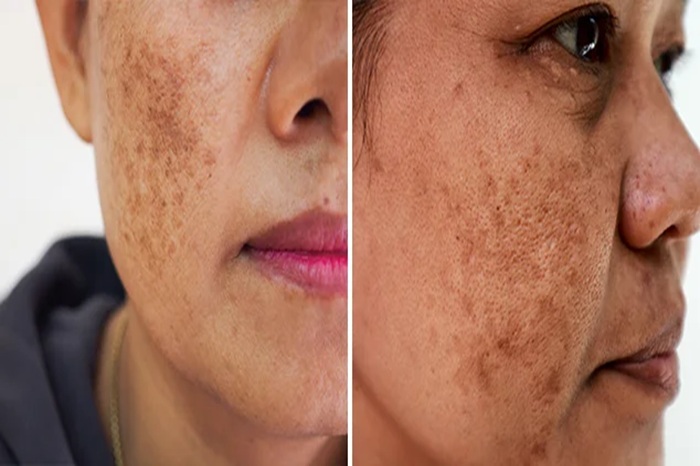
Skin discoloration is one of the most common concerns treated at aesthetic clinics. Many people confuse melasma with hyperpigmentation, but the two conditions are not the same. Understanding the difference between melasma vs hyperpigmentation is essential to choosing the right treatment—and seeing real results. Melasma is a chronic skin disorder often triggered by hormones and sun exposure, while hyperpigmentation is typically caused by inflammation, acne scars, or UV damage. Although both conditions involve excess melanin production, they behave differently and require customized treatment plans. In this blog, we’ll break down the root causes, appearance, triggers, and the most effective treatments available to help you achieve a brighter, more even complexion.
What Is Hyperpigmentation?
Hyperpigmentation is defined as darkened patches of skin caused by excess melanin production. Common triggers include UV exposure, acne scars, inflammation, and injury. There are various types of hyperpigmentation, such as post-inflammatory hyperpigmentation (PIH), sunspots, and freckles. Understanding these hyperpigmentation causes is crucial for effective treatment of pigment disorders.
What Is Melasma?
Melasma is a chronic pigmentation condition characterized by brown-gray patches of discoloration. It is commonly triggered by hormonal changes, pregnancy, birth control pills, and excessive sun exposure. Typically, melasma appears on the cheeks, forehead, upper lip, and chin. Addressing melasma causes with appropriate treatment can make significant improvements.
Melasma vs Hyperpigmentation — How to Tell the Difference
When trying to differentiate between melasma vs hyperpigmentation, note the color differences: melasma usually presents as brown-gray patches, while hyperpigmentation appears more brown. The triggers also vary, as melasma is primarily influenced by hormones and UV exposure, whereas hyperpigmentation is often the result of inflammation and UV damage. Additionally, melasma often occurs symmetrically on the face, while hyperpigmentation can appear anywhere.
Best Professional Treatments for Melasma
Several professional treatments can effectively address melasma. Laser C Toning is suitable for sun-triggered melasma. Chemical peels, such as the VI Peel, target deeper pigmentation. Microneedling with RF is beneficial when melasma is stable. Prescription-strength topical treatments combined with lifestyle modifications, including strict sunscreen use, are vital for managing melasma effectively.
Best Professional Treatments for Hyperpigmentation
Hyperpigmentation can be treated with various advanced methods. Laser Skin Resurfacing and Fractional Laser can penetrate deeper pigmentation. Chemical Peels using AHAs and BHAs help in exfoliating dead skin cells. Hydrofacial treatments offer brightening effects. At-home treatments including Vitamin C, retinoids, and niacinamide are also effective in managing dark spots.
Which Condition Is More Difficult to Treat?
Melasma is often more stubborn and chronic compared to hyperpigmentation. While hyperpigmentation generally responds faster to lasers and peels, melasma requires a more diligent approach. Correct diagnosis is essential for selecting the best treatment strategy for each condition, allowing for visible improvements.
Prevention Tips for Both Conditions
- Daily use of high SPF sunscreen.
- Avoiding peak sunlight hours to minimize UV exposure.
- Gentle skincare routines to prevent irritation.
- Protecting healing skin, particularly post-acne.
Frequently Asked
Questions Q1: How do I know if I have melasma or hyperpigmentation?
A: Melasma typically appears in symmetrical patches and is hormonally triggered, while hyperpigmentation often develops after acne or sun damage.
Q2: Can melasma be cured completely?
A: Melasma is manageable but often chronic. Treatments can greatly reduce its appearance with proper maintenance.
Q3: What worsens melasma?
A: Sun exposure, hormonal changes, heat, and improper treatments can exacerbate melasma.
Q4: Is hyperpigmentation easier to treat than melasma?
A: Yes, hyperpigmentation usually responds faster to treatments such as lasers and peels.
Q5: Are laser treatments safe for melasma?
A: Certain lasers, like Laser C Toning, are effective, but others may worsen melasma if not selected carefully.