
This article is for educational and informational purposes only and is not a substitute for professional medical advice, diagnosis, or treatment.
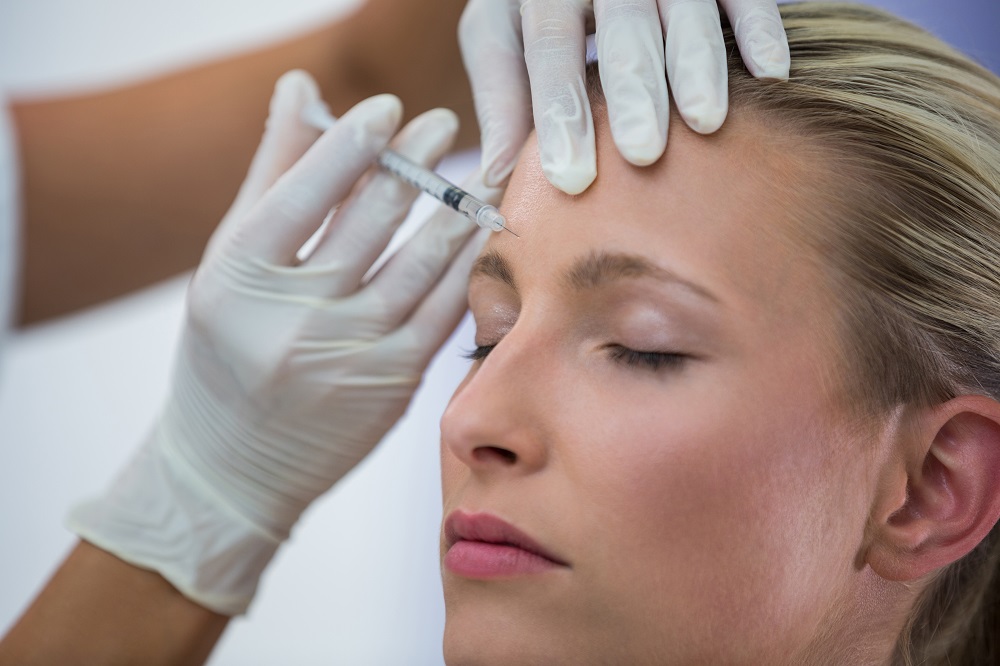
Botox typically lasts three to four months. Some people notice results fading closer to two months; others get five to six months out of a single treatment. The exact number depends on where you’re treated, how much product is used, and whether this is your first round or your fifth. Here is a realistic, month-by-month look at what to expect, so you can plan your next visit instead of guessing.
How Long Does Botox Last, On Average?
On average, Botox lasts three to four months. The American Academy of Dermatology and the American Society of Plastic Surgeons both report this same range as the typical patient experience, and the American Academy of Ophthalmology notes the effect can run anywhere from three to six months depending on the person.
That range is not a shrug. It reflects real, expected variation between patients, not a sign that a treatment did not work or was done incorrectly. A handful of factors reliably explain most of the difference, and we walk through each one below. What stays constant is the underlying mechanism: Botox works by temporarily relaxing the targeted muscle, and results fade gradually as the muscle regains its normal movement.
The First Two Weeks: When Results Actually Show Up
Most people start noticing softening within three to seven days of their injection, with full results visible around the two week mark.
That two week window matters for planning. If you have a wedding, event, or trip coming up, booking your appointment about two weeks ahead gives the treatment time to fully settle before you need to look your best. First-timers sometimes benefit from a slightly longer runway, closer to three to four weeks, in case a small touch-up is needed to even out the result.
It is normal for one side of the face to settle a day or two before the other, since muscles do not always respond in perfect unison. This is not something to be alarmed about. If, after the two week mark, an area still seems under-treated, that is exactly what a short follow-up visit is for.
What Makes Botox Wear Off Faster or Slower
Botox wearing off in two months for one person and six months for another is not unusual. A handful of factors, examined in clinical literature on botulinum toxin duration, account for most of that spread.
| Factor | How It Affects Duration |
| Dose | Higher doses, within safe, FDA labeled ranges, tend to last longer than lower doses in the same area. |
| Metabolism | A faster metabolism can break the toxin’s effect down more quickly. |
| Muscle activity | Areas that move constantly, like an expressive forehead, may show returning movement sooner than quieter areas. |
| Treatment area | Different facial muscles respond differently. Covered in detail below. |
| First vs. repeat treatment | Many patients find results last a bit longer after two or three treatments, once the muscle is trained to relax. |
| Injector technique | Precise placement and dosing supports a more even, longer lasting result. |
None of these factors are fully within a patient’s control, and that is expected. The goal of a good consultation is matching dose and technique to your face and your goals, not promising an exact number of months before you have even been assessed.
Does It Last Longer By Area? Forehead vs. Crow’s Feet vs. Jaw
Yes. Treatment area is one of the strongest predictors of how long Botox lasts. Forehead and frown lines typically fall within the standard three to four month range, crow’s feet often land on the shorter end because of constant movement from smiling and squinting, and jaw or masseter treatment, used for a slimmer jawline or teeth grinding, tends to last longer, since the masseter is a larger, less expressive muscle.
| Treatment Area | Typical Duration | Why |
| Forehead / frown lines | 3 to 4 months | Standard response, moderate movement |
| Crow’s feet | 2 to 4 months | Frequent movement from smiling and squinting |
| Jaw / masseter | 4 to 6 months | Larger, less expressive muscle group |
This is one of the most common questions patients don’t think to ask before their first appointment, and it’s a big part of why a personalized consultation, rather than a flat promise of four months for everyone, gives you a realistic picture of what to expect from your specific treatment plan.
First-Time Botox vs. Repeat Treatments: Does It Last Longer Over Time?
For many patients, yes, results tend to last a bit longer after a few rounds of treatment, though this varies person to person. A long-term study following patients across more than a decade of consecutive Botox treatments found that consistent, properly spaced treatment supported stable results over many years without a loss of effectiveness for most patients.
First-time patients sometimes see a slightly shorter window, closer to two to three months, simply because the muscle has not yet adjusted to relaxing on cue. This is normal, and it is one reason your provider may recommend a follow-up visit sooner after your very first treatment, before settling into a longer three to four month rhythm.
When to Book Your Touch-Up
Most Windermere MedSpa patients settle into a rhythm of roughly three Botox visits a year, spaced to stay ahead of returning movement rather than waiting until lines are fully back. If you’re planning around a specific date, a wedding, reunion, or holiday event anywhere from Cumming to Alpharetta, Johns Creek, or Suwanee, book about two weeks out so results have time to fully settle beforehand.
If you’re a first-time patient with an important date in mind, giving yourself three to four weeks of buffer, rather than two, leaves room for a touch-up if one side needs a little extra. For more on syncing your appointment with a specific occasion, see our guide on timing Botox before a big day.
Botox vs. Dysport vs. Xeomin: Does Brand Change How Long It Lasts?
All three, along with Jeuveau, are FDA-approved botulinum toxin type A products, and differences in duration between them are generally modest rather than dramatic. Some patients find Dysport takes effect a bit faster, while Botox is sometimes reported to last slightly longer, but individual response varies more than brand does. Windermere MedSpa offers Botox, Dysport, Xeomin, and Jeuveau neurotoxin injections, and your injector can help you choose based on your goals, past experience, and how your face has responded before.
If you’re also weighing Botox against volume loss rather than movement lines, our comparison of Botox vs. dermal fillers breaks down which option lasts longer for different concerns.
Ready for a Realistic Plan for Your Face?
Every face responds a little differently, and the best way to know your own timeline is a real consultation, not a generic average. Windermere MedSpa in Cumming currently offers new clients Botox at $8 per unit (minimum 40 units) as part of our current specials, alongside a free 15 minute consultation. Book online or call (470) 570-6727 to get a personalized plan for your face and your schedule.
FAQs:
Q1. How long does Botox last the first time?
Ans: First-time results often run slightly shorter than average, closer to two to three months, since the treated muscle has not yet adjusted. This typically lengthens with subsequent treatments.
Q2. Is it a problem if Botox wears off unevenly?
Ans: Not usually. Muscles do not always relax and regain movement at exactly the same pace, so slightly uneven wear-off between the two sides of the face is common and easy to address at a follow-up visit.
Q4. Can you make Botox last longer?
Ans: Following your provider’s aftercare guidance, limiting excessive sun exposure, and staying consistent with your treatment schedule can support a more even, longer-lasting result, though there is no guaranteed way to extend it beyond your body’s natural response.
Q5. Is it safe to get Botox every three to four months long-term?
Ans: Yes, for most healthy adults. Long-term studies following patients across many years of consecutive treatment have not shown a loss of safety or effectiveness with consistent use.
Q6. Does combining Botox with other treatments change how long it lasts?
Ans: Botox addresses movement-related lines, while treatments like RF microneedling target skin structure and texture. Combining the two does not change how long Botox itself lasts, but many patients find the overall result looks more complete together.