
This article is for educational and informational purposes only and is not a substitute for professional medical advice, diagnosis, or treatment.
If you searched “why does my hair hurt,” what you are actually feeling almost certainly is not the hair itself. It is the skin and follicle around it reacting to shaving, waxing, or plucking. The three usual explanations are razor burn, ingrown hairs, and folliculitis, and they get mixed up easily because they can all show up in the same spot after the same routine. Here is how to tell them apart, what actually helps right now, and why the irritation tends to keep coming back no matter what product you try.
The Three Most Likely Culprits
Razor burn, ingrown hairs, and folliculitis are often used interchangeably, but they are not the same thing, and knowing which one you are dealing with changes what actually helps.
| Condition | What It Feels Like | When It Shows Up |
| Razor burn | Stinging, blotchy redness, sometimes small red dots | Right after shaving, within minutes to hours |
| Ingrown hairs / razor bumps | Small, sore or itchy bumps, sometimes a visible trapped hair | Days after shaving, waxing, or plucking |
| Folliculitis | Tender or pus-filled bumps, can look acne-like | Can appear without recent hair removal, from friction, sweat, or bacteria |
Razor burn is a surface-level reaction that usually clears up within a day or two on its own. Ingrown hairs happen when a cut or pulled hair curls back into the skin instead of growing out normally, a mechanism DermNet NZ describes clearly in its work on pseudofolliculitis. Folliculitis is different again, it is inflammation or infection of the follicle itself, and it does not always require recent shaving to show up.
Why Some Areas Hurt More Than Others
Some areas are simply more prone to this than others, and it comes down to two separate factors. Coarser or curlier hair, common in the bikini area, underarms, and the beard and neck area, is more likely to curl back into the skin after being cut, which is why ingrown hairs cluster there. Thinner, nerve-dense skin, like the upper lip, bikini line, and underarms, feels sharper stinging from razor burn even when the irritation itself is mild.
Put the two together, and it is easy to see why the bikini area in particular tends to produce both the sharpest sting and the most persistent bumps. It is not that skin there is unusually reactive, it is that hair texture and skin thickness are working against you at the same time.
What Actually Helps Right Now
If the area is actively irritated, the goal is calming it down, not exfoliating or treating it aggressively.
- A cool, clean compress for a few minutes reduces redness and stinging quickly.
- A fragrance-free, alcohol-free moisturizer or aloe-based gel soothes the area without adding more irritants.
- Loose, breathable clothing over the area reduces friction while it settles.
- Avoid re-shaving or waxing the same spot until redness and tenderness have fully resolved.
- Skip exfoliation, retinoids, and scented products until the skin has calmed down, they help prevent future ingrown hairs but can sting on already-irritated skin.
Most razor burn settles within a day or two with this approach. Ingrown hairs that are not inflamed or painful often resolve on their own as the hair continues growing out, though gentle exfoliation once the area is calm can help going forward.
Why It Keeps Coming Back No Matter What You Try
It keeps coming back because the hair itself is still there. Shaving, waxing, and plucking all remove the visible hair but leave the follicle fully intact and ready to produce another one, so the same friction, the same cut-hair-curling-back risk, and the same skin barrier disruption reset with every single removal.
A peer-reviewed dermatology case report on refractory folliculitis notes that waxing specifically causes micro-abrasions in the skin that create an opening for bacteria, part of why folliculitis can follow hair removal even when nothing looks obviously wrong afterward. Switching products or technique can reduce how often this happens, but as long as hair is being repeatedly cut or pulled from the same follicles, the underlying setup for irritation stays exactly the same.
When to See a Doctor Instead of Waiting It Out
Most razor burn and occasional ingrown hairs are manageable at home. But if bumps are spreading, increasingly painful, draining fluid or pus, or accompanied by fever, that points toward a genuine infection rather than simple irritation, and it is worth having a doctor evaluate it rather than continuing to self-treat, especially if home care has not improved things after several days. This is not meant to cause alarm, most hair-removal irritation is mild and self-limited, but it is worth taking seriously if symptoms are getting worse rather than better.
How Laser Hair Reduction Breaks the Cycle
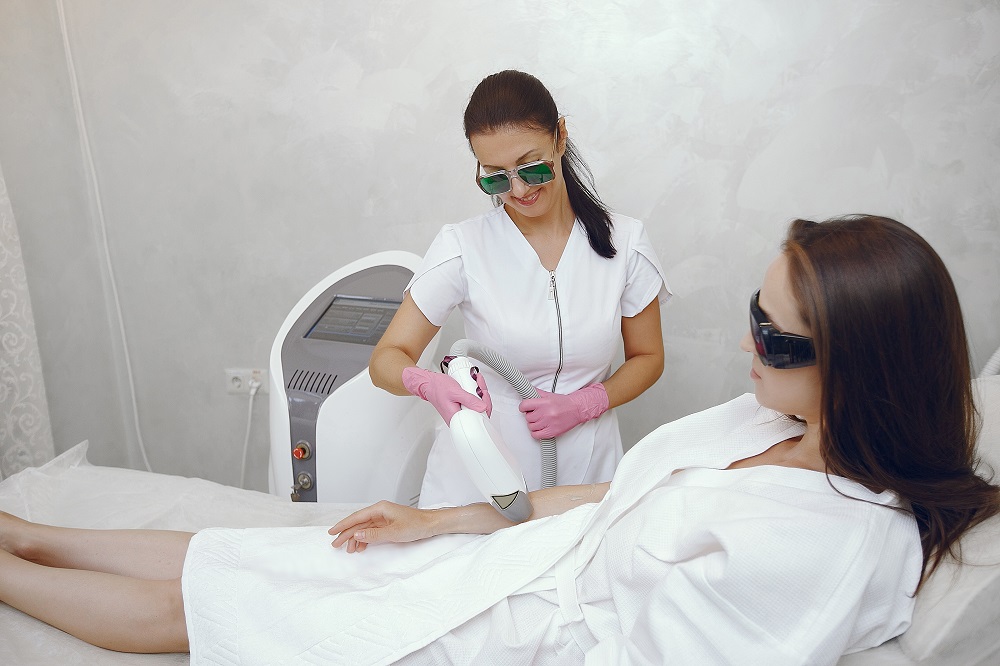
The reason laser hair reduction helps with this specific problem, beyond simply reducing hair, is that it targets the follicle itself rather than just cutting or pulling the hair growing out of it. Over a series of sessions, treated follicles produce finer, sparser hair, and eventually much less of it, meaning fewer opportunities for hair to curl back into the skin, less friction from repeated shaving, and a real break in the cycle rather than another product to manage symptoms.
At Windermere MedSpa, laser hair reduction uses the Clarity II system, and our guides on laser hair removal for legs and laser hair removal vs. waxing both break down what the process actually involves, how many sessions it typically takes, and how it compares to the routine you are likely already stuck in.
Ready to Stop Treating the Symptom?
If you are stuck in a cycle of shaving, irritation, and repeating it a few days later, that cycle is exactly what laser hair reduction is designed to interrupt. Windermere MedSpa in Cumming currently offers a laser hair removal special (chin, upper lip, underarms, arms, and legs) as part of our current specials, alongside a free 15 minute consultation. Book online or call (470) 570-6727 to talk through which areas make sense to start with.
FAQs:
Q1. Is it normal for skin to hurt after every shave?
Ans: Mild, brief stinging or redness right after shaving is common, especially in sensitive areas, and should settle within a few hours to a day. Pain that lingers, worsens, or comes with bumps is a sign the irritation needs a different approach.
Q2. How do I know if it’s an ingrown hair or an infection?
Ans: An ingrown hair usually has a visible or trapped hair beneath a small, isolated bump. Signs pointing toward infection instead include spreading redness, pus, increasing pain, or multiple bumps clustering together rather than one isolated spot.
Q3. Does shaving cause more irritation than waxing?
Ans: They cause different kinds of irritation rather than one simply being worse. Shaving is more associated with razor burn and ingrown hairs from blunt-cut hair. Waxing removes hair from the root and can cause its own irritation and, occasionally, folliculitis from the skin’s micro-abrasions.
Q4. Can laser hair removal get rid of ingrown hairs I already have?
Ans: Laser hair reduction targets future hair growth rather than treating existing bumps directly, but by reducing how much hair grows back and needs to be removed, most patients see significantly fewer new ingrown hairs over the course of treatment.